

How India can become a global hub for fabless semiconductor design and R&D innovation
Exploring Intel’s comeback strategy, challenges for deep tech startups, and India’s data center expansion
Intel’s Strategy to Catch Up with Samsung in the Semiconductor Market

The semiconductor industry has witnessed a significant power shift in recent years with Samsung overtaking Intel as the world’s largest semiconductor company by market share. According to recent data from 2025, Samsung holds approximately 10.6% of the global semiconductor market, while Intel holds 7.9%, having been pushed to second place. This shift represents a dramatic change in the industry landscape that had been dominated by Intel for decades.
To reclaim its position, Intel has embarked on an ambitious transformation through its IDM 2.0 (Integrated Device Manufacturing) strategy. Announced in March 2021 by CEO Pat Gelsinger, this strategy represents a comprehensive approach to regain manufacturing leadership in the semiconductor industry. IDM 2.0 consists of three main pillars: expansion of Intel’s internal factory network, increased use of third-party foundry capacity, and the establishment of Intel Foundry Services (IFS) to manufacture chips for other companies.

Central to Intel’s strategy is a massive investment in manufacturing infrastructure. The company has pledged to invest over $20 billion to build two new semiconductor fabrication plants (fabs) in Arizona, with plans for additional facilities in Ohio, New Mexico, and possibly Europe. These investments are not merely about expanding capacity but implementing advanced technologies to overcome the technical advantages that competitors like Samsung and TSMC currently enjoy.
A critical component of Intel’s strategy is its accelerated technology roadmap. Gelsinger has committed to an ambitious schedule that aims to deliver five process nodes in just four years: Intel 7, Intel 4, Intel 3, Intel 20A, and Intel 18A. This aggressive timeline is designed to not only catch up with but potentially leapfrog competitors. Reports indicate that Intel is moving up plans to incorporate innovative technologies like backside power delivery, which could give the company a critical advantage over TSMC and Samsung by 2025.
Key Elements of Intel’s IDM 2.0 Strategy
- Major expansion of manufacturing capacity with $20B+ investments
- Accelerated technology roadmap delivering five nodes in four years
- Launch of Intel Foundry Services (IFS) to serve external customers
- Increased use of external foundries for certain product lines
- Focus on regaining process technology leadership by 2025
Intel’s foundry services initiative represents a significant strategic shift. By opening its manufacturing capabilities to external customers, Intel is directly challenging Samsung and TSMC in the foundry business. The company is positioning IFS as a Western-based alternative for leading-edge manufacturing, leveraging geopolitical concerns about supply chain security. Intel has already secured significant government support, including funding through the CHIPS Act, which provides additional resources for its manufacturing expansion.
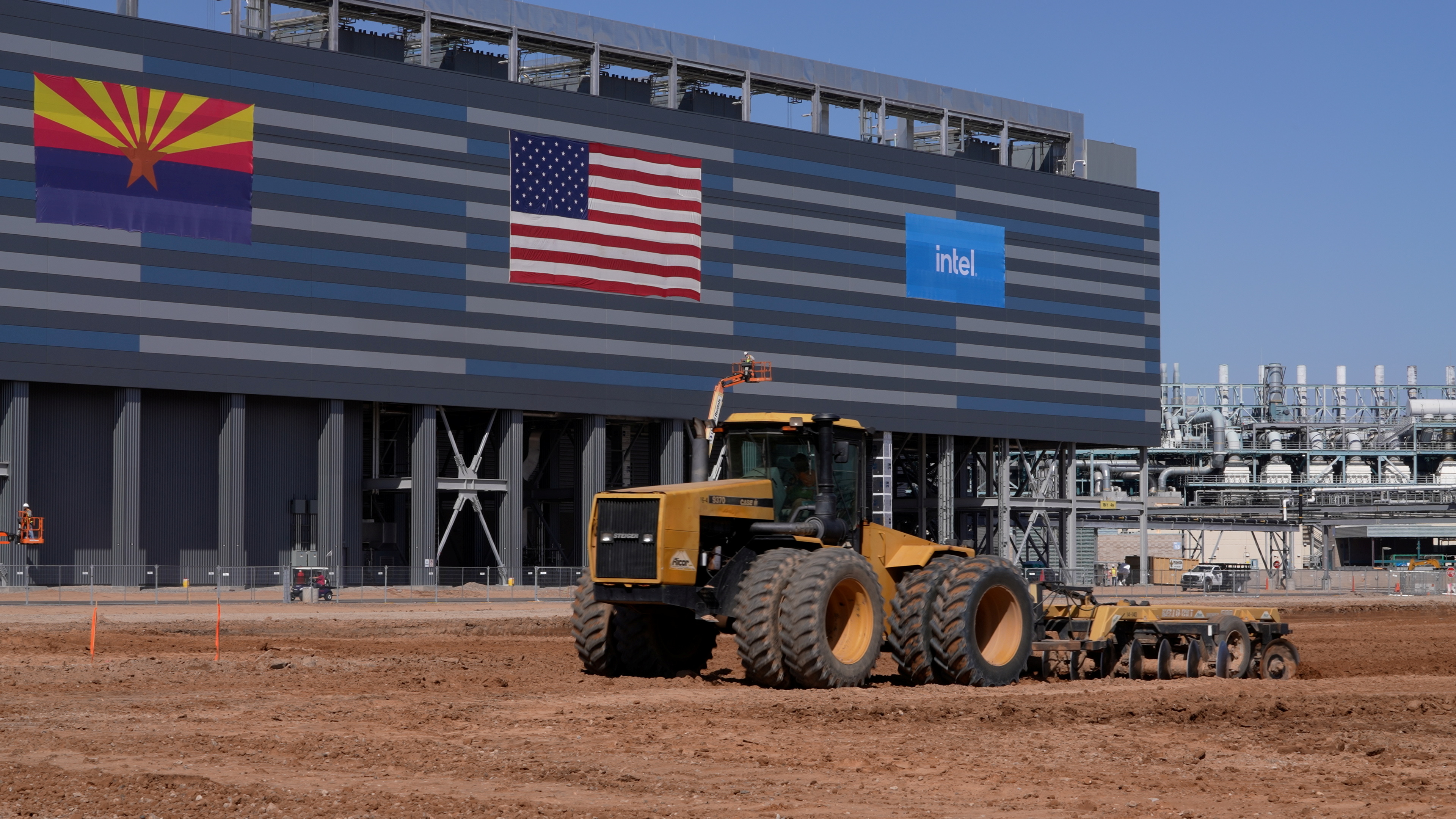
Another notable development in Intel’s strategy is its reported discussions with Samsung about a potential foundry alliance. This unexpected collaboration between competitors highlights the evolving dynamics in the semiconductor industry and the challenges both companies face in competing with TSMC’s dominant market position. Such an alliance could potentially combine Intel’s design expertise with Samsung’s manufacturing capabilities, creating a more formidable challenge to TSMC’s dominance.
Main Challenges Faced by Deep Tech Startups in India
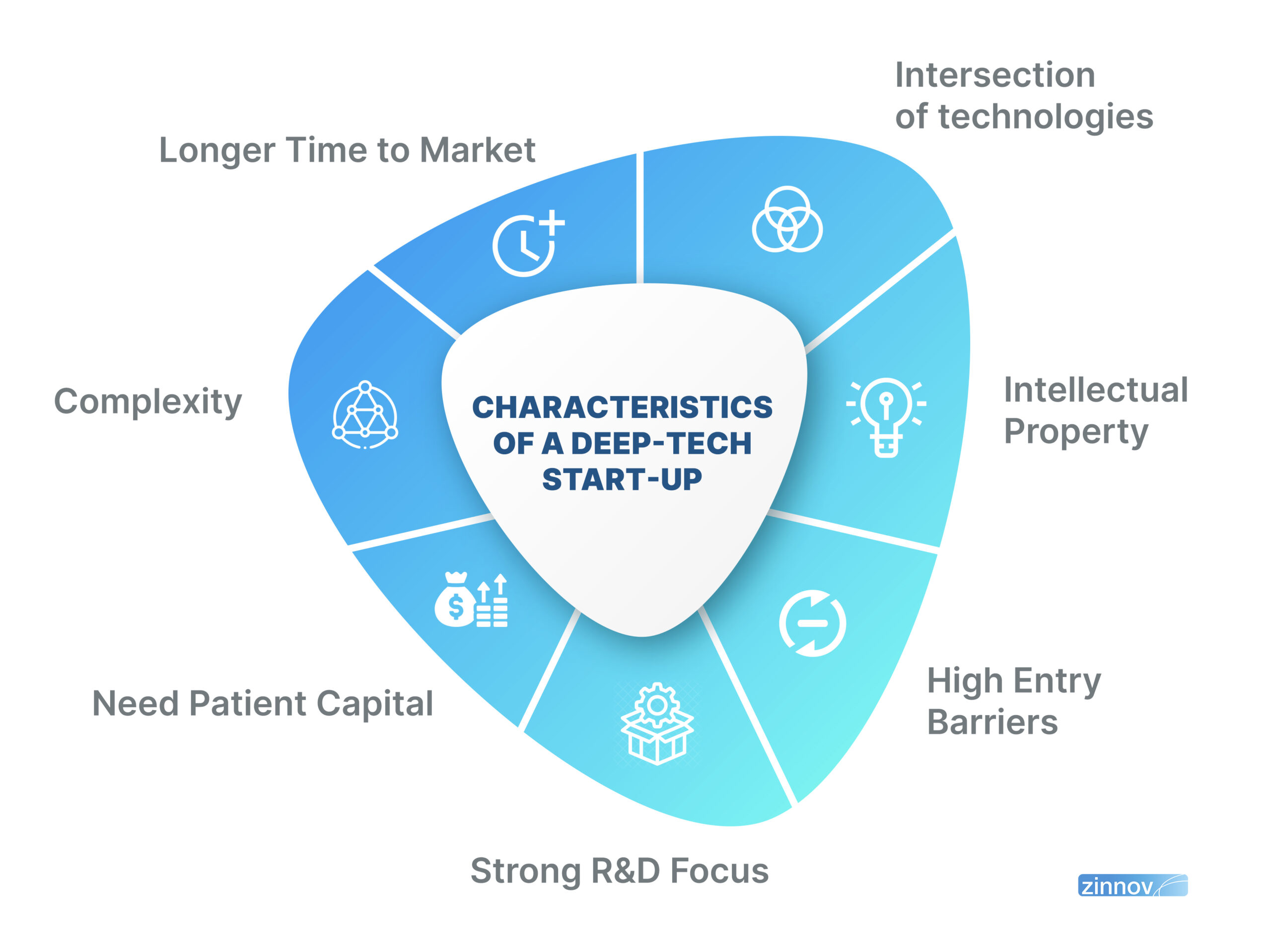
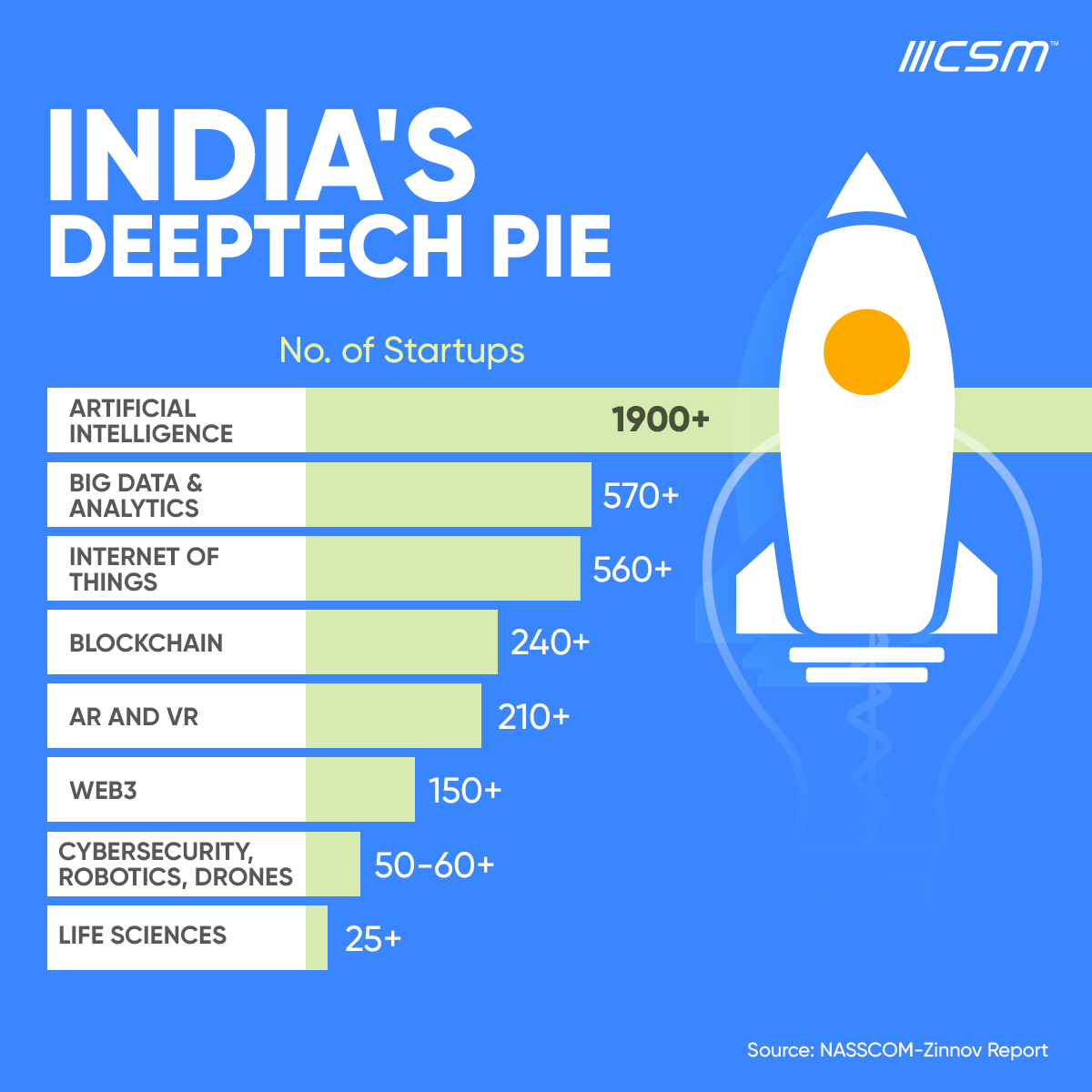
Deep tech startups in India, focusing on advanced technologies such as artificial intelligence, quantum computing, biotechnology, and advanced materials, face a unique set of challenges that differentiate them from conventional technology startups. These challenges have significantly impacted the growth and success rate of such ventures in the Indian ecosystem.
The most significant hurdle facing Indian deep tech startups is access to adequate funding. Deep tech ventures typically require substantial capital investments due to their R&D-intensive nature and longer gestation periods. According to industry reports, despite the surge in Indian deep tech startups, funding plummeted by approximately 77% in 2023. Traditional venture capital firms in India often prefer lower-risk, quick-return investments in consumer tech or enterprise software rather than deep tech ventures that may take years to commercialize their innovations.
Talent acquisition and retention present another major challenge. India produces a large number of engineering graduates annually, but there exists a paradoxical gap between quantity and quality when it comes to specialized skills required for deep tech innovation. The country faces a “talent paradox” where, despite having a large technical workforce, there’s a shortage of professionals with expertise in cutting-edge technologies like quantum computing, advanced AI, or specialized hardware design. Additionally, deep tech startups often compete with multinational corporations and established tech firms that can offer substantially higher compensation packages.
Critical Barriers to Deep Tech Growth in India
Deep tech product innovation in India faces a triple challenge: it requires substantial capital, an appetite for risk, and a sufficiently trained technical talent pool—all three of which are currently in short supply in the Indian ecosystem.
Regulatory challenges and commercialization bottlenecks further complicate the journey for deep tech founders. India’s regulatory framework often moves slower than the pace of technological innovation, creating uncertainty for startups working on cutting-edge technologies. Many deep tech startups struggle with the “valley of translation”—the difficult process of moving from laboratory success to commercial viability. This challenge is compounded by the lack of strong industry-academia collaboration networks that could otherwise facilitate technology transfer and commercialization.
Market readiness represents another significant hurdle. Many potential enterprise customers in India remain conservative in adopting unproven technologies, especially from startups. Deep tech founders often report that despite developing world-class technologies, they face resistance from local markets. This forces many startups to look toward international markets from day one, adding complexity to their growth strategy and increasing operational costs.

Additionally, the lack of specialized infrastructure poses significant constraints. Unlike software startups that can operate with minimal infrastructure, deep tech ventures often require specialized laboratories, testing facilities, and hardware. The limited availability of such infrastructure, particularly outside major tech hubs like Bangalore and Hyderabad, restricts the geographical spread of deep tech innovation in India. While incubators and accelerators have emerged, many lack the specialized facilities needed for advanced technology development.
Another critical challenge is the skewed focus of the overall startup ecosystem. According to NASSCOM, one of the primary reasons for limited progress in deep tech is the ecosystem’s disproportionate focus on consumer services and enterprise software. This creates a self-reinforcing cycle where success stories, mentors, and investment patterns all favor these areas over deep tech, making it harder for founders to find suitable guidance and support for their deep tech ventures.
The Funding Landscape for Deep Tech Startups in India

The funding landscape for deep tech startups in India is undergoing a significant evolution, characterized by both persistent challenges and emerging opportunities. According to recent data, Indian deep tech startups raised $4.7 billion from 2014 through early 2025, representing just 3.2% of the total funds directed to Indian startups during the same period. This disproportionately small share highlights how the investment community in India has traditionally favored consumer tech and enterprise software over deep tech ventures.
However, there are promising signs of change. The first half of 2024 witnessed a notable 78% growth in deep tech funding, amounting to USD 1.6 billion. Significantly, 87% of this funding was allocated to AI-driven startups, indicating a growing investor appetite for certain segments within the deep tech spectrum. This surge comes after a challenging 2023, when deep tech funding in India experienced a steep 77% decline compared to the previous year, reflecting broader global economic uncertainties and a more cautious approach from investors.
2024 Deep Tech Funding Highlights
- 78% growth in overall deep tech funding reaching $1.6 billion
- AI-focused startups captured 87% of all deep tech investments
- Space tech sector experienced a 55% decline in funding
- Early-stage funding improved, while Series A and beyond remained challenging
- Government initiatives like the ₹10,000-crore Fund of Funds promising new support
The funding ecosystem for deep tech in India reveals a structural pattern often described as the “valley of death” for startups seeking Series A funding and beyond. While seed-stage funding has become relatively more accessible, with numerous angel investors, micro VCs, and government grants supporting initial development, many promising deep tech startups struggle to secure the larger investments needed to scale their operations. This funding gap is particularly pronounced for hardware-focused startups and those working on technologies with longer commercialization timelines.

Government initiatives are playing an increasingly important role in addressing these funding gaps. India’s recent announcement of a “substantial allocation” for deep tech through the ₹10,000-crore Fund of Funds scheme represents a significant policy intervention aimed at catalyzing more private investment into the sector. Furthermore, initiatives like the Deep Tech Mission under the Department of Science and Technology and various schemes by organizations such as Biotechnology Industry Research Assistance Council (BIRAC) are providing specialized support for different deep tech domains.
The landscape is also witnessing the emergence of specialized investment firms focused exclusively on deep tech. Venture capital firms like Speciale Invest, pi Ventures, and Bharat Innovation Fund have developed dedicated expertise in evaluating deep tech ventures and are playing a crucial role in bridging the knowledge gap that mainstream investors often face when assessing highly technical startups. These specialized investors typically take a longer-term view and possess the technical expertise required to evaluate the potential of complex technologies.
Corporate venture capital is becoming another significant source of funding for deep tech startups in India. Large corporations, both Indian conglomerates and multinational companies, are increasingly establishing venture arms to invest in technologies relevant to their core businesses. For example, Reliance Industries, Tata Group, and Mahindra Group have all made strategic investments in deep tech startups. These corporate investments often come with additional benefits like market access, technical validation, and potential acquisition opportunities.
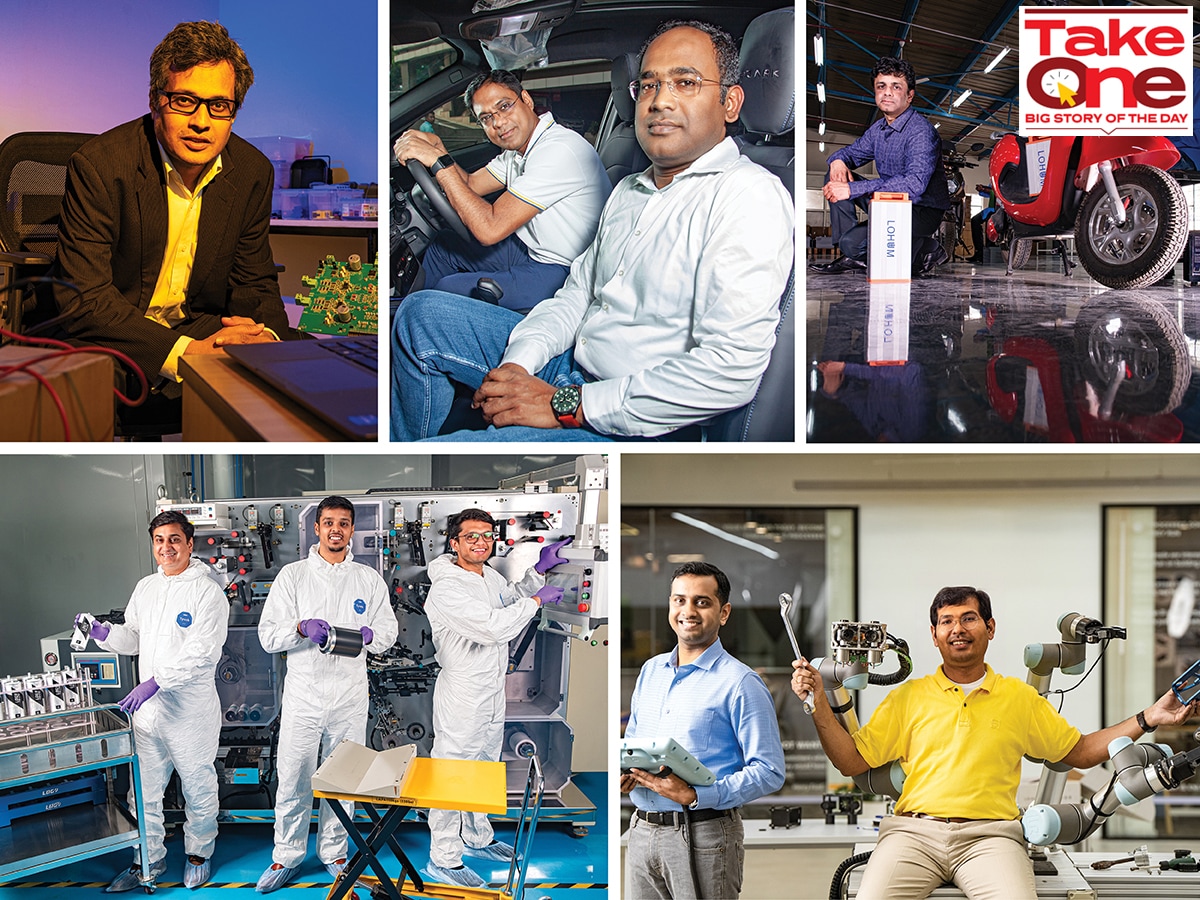
International investors are also showing increasing interest in India’s deep tech ecosystem. Japanese investors like SoftBank, American firms such as Sequoia Capital, and European venture funds are beginning to view Indian deep tech startups as potential global innovators rather than just players in the local market. This international interest is particularly notable for startups working in fields like artificial intelligence, quantum computing, and climate tech, where India has begun developing pockets of excellence.
Looking ahead, the funding landscape for deep tech in India is expected to continue its evolution toward greater maturity. The combination of government support, specialized investors, corporate interest, and increasing international attention suggests that while challenges remain, the ecosystem is developing the financial infrastructure necessary to support the next generation of deep tech innovators in India.
Data Center Expansion Strategies: Airtel vs Reliance

In India’s rapidly evolving digital landscape, telecommunications giants Bharti Airtel and Reliance Industries are executing ambitious data center expansion strategies that reflect their vision for the country’s digital infrastructure future. These expansion plans are driven by several factors: exponential growth in data consumption, increasing cloud adoption by enterprises, emerging technologies like AI and IoT, and data localization regulations that require certain types of data to be stored within India’s borders.
Airtel’s data center subsidiary, Nxtra by Airtel, has emerged as one of India’s leading data center providers with a comprehensive expansion plan. The company recently announced a significant investment of approximately ₹5,000 crore (about $673 million) over the next three years to double its existing capacity from 200MW to over 400MW by 2027. This expansion includes the development of seven new facilities across strategic locations including Mumbai, Pune, Kolkata, Bengaluru, Hyderabad, and Delhi, reinforcing Airtel’s position in India’s major tech hubs.
Airtel’s Nxtra Data Center Strategy
- ₹5,000 crore ($673 million) investment over three years
- Plans to double capacity from 200MW to 400MW by 2027
- Network of 120+ locations across India
- Commitment to 100% renewable energy usage
- Strategic expansion into African markets with facilities in Lagos, Nigeria and Kenya
- Industry-first deployment of AI for operational excellence
A distinctive aspect of Airtel’s strategy is its focus on sustainability. Nxtra has committed to becoming a 100% renewable energy data center company, having already deployed various green initiatives across its facilities. This sustainability focus is not merely an environmental consideration but also a strategic business move, as renewable energy becomes increasingly cost-competitive and attractive to environmentally conscious enterprise clients.
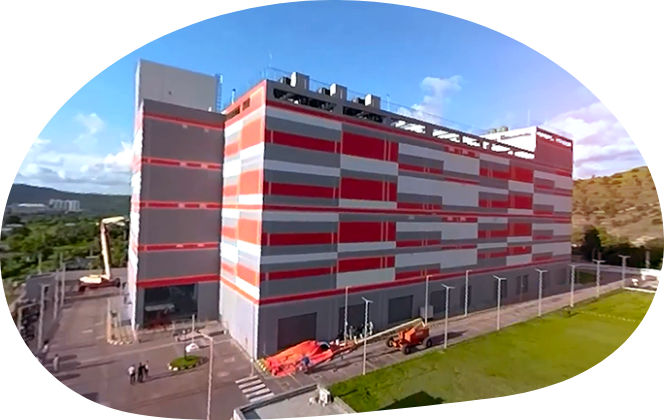
In contrast, Reliance Industries is pursuing what could be described as a more ambitious, scale-focused approach to data center development. The company recently made headlines with plans to build what it claims will be the “world’s largest data center” in Jamnagar, Gujarat—the same location as its massive petroleum refinery. This facility is designed to have an unprecedented capacity of 3GW, significantly surpassing any existing data center worldwide. The investment for this mega-project is estimated between $20 billion and $30 billion, highlighting the scale of Reliance’s ambitions in the data infrastructure space.
Reliance’s strategy appears focused on building massive, consolidated facilities rather than the distributed network approach favored by Airtel. The company’s Jamnagar data center is being designed specifically for AI workloads, with plans to incorporate NVIDIA’s advanced semiconductor technology. This positions Reliance to become a major player in India’s emerging AI infrastructure market, potentially offering cloud-based AI services to enterprises and researchers.
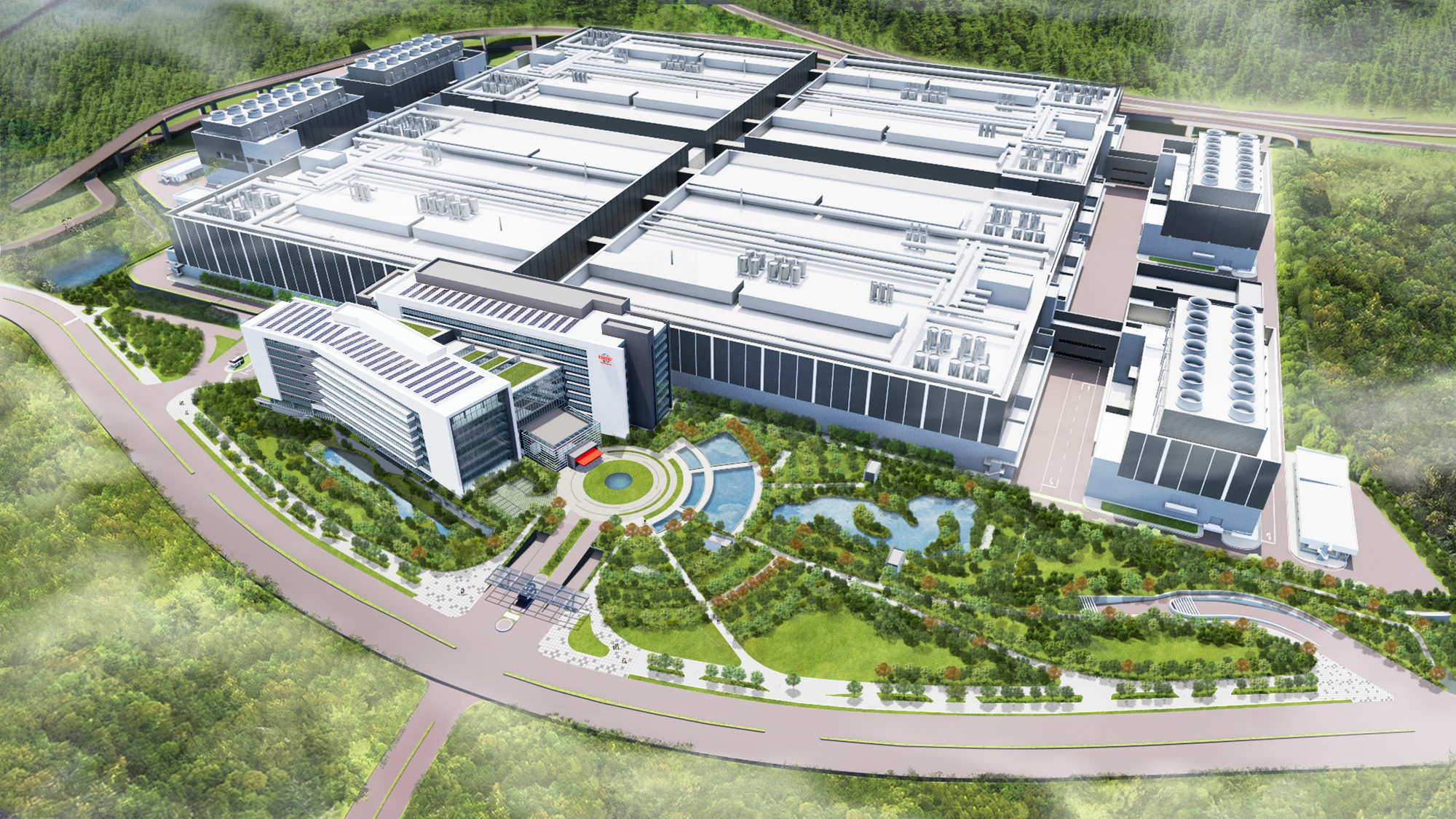
A key differentiator in Reliance’s strategy is its vertical integration approach. The company plans to power its Jamnagar data center entirely with green energy generated from its own renewable energy projects. This integration gives Reliance significant control over both the energy supply chain and data processing capabilities, potentially creating cost advantages and operational efficiencies that competitors might struggle to match.
Both companies are also expanding their data center footprints beyond India. Airtel has launched an African Nxtra unit with plans to develop a 38MW data center in Lagos, Nigeria, and additional facilities planned in Kenya and other African nations. This expansion leverages Airtel’s existing telecom presence across Africa and positions the company to capitalize on the continent’s growing digital economy.
Reliance’s Mega Data Center Strategy
- Plans to build “world’s largest data center” in Jamnagar, Gujarat
- Unprecedented 3GW capacity facility
- Estimated investment between $20-30 billion
- Focus on AI-optimized infrastructure using NVIDIA technology
- Powered entirely by Reliance’s own green energy generation
- Strategic collaboration with Microsoft for Azure services
Both companies are also actively seeking partnership opportunities to enhance their data center offerings. Reliance has established a partnership with Microsoft to provide Azure cloud services from its data centers, while Airtel has formed strategic alliances with various hyperscalers and enterprise technology providers. These partnerships enable both companies to offer comprehensive solutions that extend beyond basic colocation services to include advanced cloud, security, and managed services.
Intel’s Foundry Strategy Compared to TSMC and Samsung

The semiconductor manufacturing landscape is dominated by three major players—Taiwan Semiconductor Manufacturing Company (TSMC), Samsung, and Intel—each with distinct foundry strategies that reflect their historical strengths, market positions, and future ambitions. Understanding how Intel’s foundry strategy compares to those of TSMC and Samsung provides valuable insight into the evolving competitive dynamics of the semiconductor industry.
TSMC has established itself as the undisputed leader in the foundry business, holding approximately 62% of the global foundry market share in 2024. The company’s strategy is centered around a pure-play foundry model, focusing exclusively on manufacturing semiconductors for other companies without competing with its customers by designing its own chips. This specialized approach has allowed TSMC to build deep expertise in manufacturing processes and win the trust of fabless companies like Apple, NVIDIA, AMD, and Qualcomm, who rely on TSMC to produce their most advanced chips without fear of competition from their manufacturing partner.
Comparing Intel, TSMC, and Samsung Foundry Strategies
| Aspect | Intel Foundry Services | TSMC | Samsung Foundry |
|---|---|---|---|
| Business Model | Hybrid IDM/Foundry (IDM 2.0) | Pure-play foundry | Hybrid IDM/Foundry |
| Market Share (2024) | Growing but under 2% | 62% | 10-13% |
| Technology Position | Playing catch-up; aiming for leadership by 2025 | Industry leader with most advanced nodes | Competitive but behind TSMC on yield rates |
| Customer Relations | Building trust; addressing competitive concerns | Strong relationships; no competition with customers | Some tension due to competing with customers in end markets |
| Manufacturing Locations | US, Ireland, Israel; expanding in Arizona, Ohio | Taiwan, China, US, Japan; expanding globally | South Korea, US (Texas); expanding capacity |
| Key Differentiator | US-based manufacturing; package integration | Manufacturing excellence; proven track record | Memory/logic integration; vertical integration |
| Strategic Direction | Regain technology leadership; grow foundry business | Maintain leadership; global expansion | Close gap with TSMC; leverage vertical integration |
Samsung has pursued a hybrid model as both an Integrated Device Manufacturer (IDM) and a foundry service provider. With approximately 10-13% of the foundry market in 2024, Samsung leverages its expertise in memory chip production and vertical integration to offer customers benefits that pure-play foundries cannot. However, this hybrid approach creates inherent tensions, as Samsung competes with some of its foundry customers in end markets like smartphones and consumer electronics, potentially making some clients wary of relying too heavily on Samsung for their manufacturing needs.

Intel’s foundry strategy, formalized under the IDM 2.0 initiative, represents a hybrid approach that in some ways resembles Samsung’s model but with distinct differences. Like Samsung, Intel designs and manufactures its own processors. However, Intel’s foundry ambitions are more recent and come after decades of focusing primarily on its own products. This legacy creates both advantages and challenges for Intel Foundry Services (IFS).
A key differentiator in Intel’s foundry strategy is its emphasis on providing Western-based semiconductor manufacturing capacity. With growing geopolitical concerns about the concentration of advanced chip manufacturing in Asia, particularly Taiwan, Intel is positioning itself as a strategic alternative for companies and governments seeking to diversify their semiconductor supply chains. This positioning has helped Intel secure significant government support through initiatives like the CHIPS Act.
Key Advantages of Each Foundry Strategy
- TSMC: Manufacturing excellence, established customer trust, proven track record of execution, most advanced process technology
- Samsung: Vertical integration capabilities, memory expertise, ability to offer combined memory and logic solutions
- Intel: US-based manufacturing, packaging innovations, government support, design expertise to assist customers
In terms of technological roadmaps, all three companies have announced plans to begin producing chips at the cutting-edge level of 1.4nm in the coming years. However, TSMC currently maintains the lead in advanced process technology, with the highest yields and most mature processes at the 3nm and 5nm nodes. Intel’s ambitious roadmap aims to not only catch up but potentially leapfrog competitors by 2025 through innovations such as backside power delivery in their Intel 18A process.
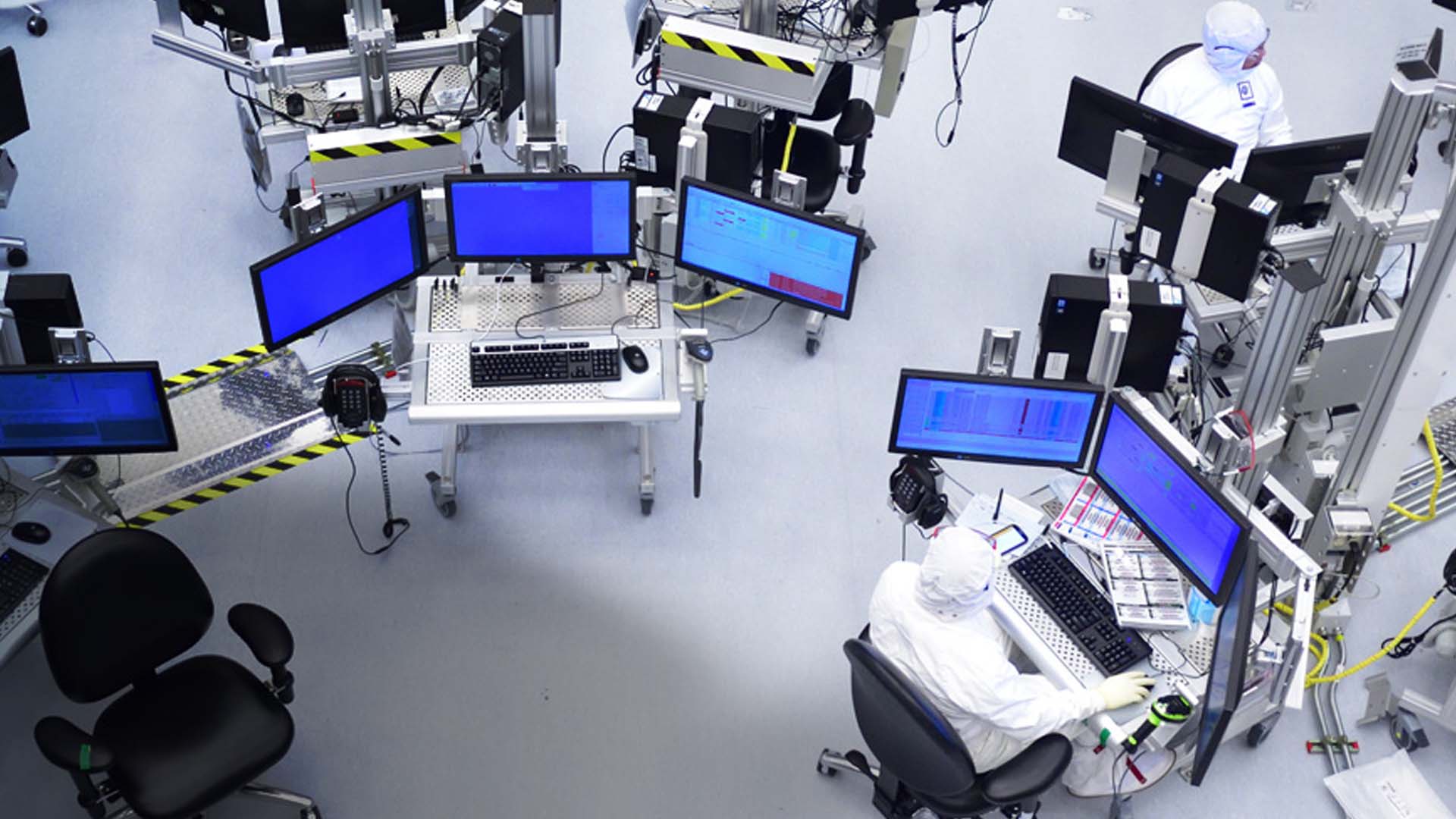
The competitive dynamics between these three companies are further complicated by recent reports of discussions between Intel and Samsung regarding a potential foundry alliance. Such collaboration would represent a significant shift in the industry landscape and potentially create a more formidable challenge to TSMC’s dominance. While details of these discussions remain limited, they highlight the fluid nature of competition in the semiconductor manufacturing space.
Intel faces several unique challenges in growing its foundry business compared to its competitors. One significant hurdle is establishing trust with potential customers who may view Intel as a competitor. TSMC’s pure-play model avoids this conflict entirely, while Samsung has had years to navigate these relationships. Additionally, Intel needs to build expertise in serving diverse customer needs across various chip designs, something TSMC has mastered over decades.
Pros and Cons: India’s Evolving Deep Tech and Data Center Landscape
Pros
- Growing Government Support – Initiatives like the ₹10,000-crore Fund of Funds scheme are creating new funding avenues for deep tech startups.
- Massive Data Center Investments – Companies like Reliance and Airtel are building world-class data infrastructure to support India’s digital economy.
- Expanding Talent Pool – India’s technical education system is gradually adapting to produce more specialized talent for deep tech innovation.
- Rising Global Interest – International investors are increasingly recognizing India’s potential as a deep tech innovation hub.
- Sustainability Focus – Major data center operators are committing to renewable energy, promoting sustainable digital growth.
- Large Domestic Market – India’s massive digital user base provides a natural testing ground for new technologies.
- Specialized Funding Emergence – Dedicated deep tech venture capital firms are developing expertise to better evaluate and support complex technology startups.
- Policy Evolution – Government policies are increasingly acknowledging the unique needs of deep tech ventures.
Cons
- Funding Disparities – Deep tech startups still receive only 3.2% of overall startup funding in India.
- Series A+ Funding Gap – Many promising startups struggle to secure growth-stage funding beyond initial seed investments.
- Risk-Averse Investment Culture – Most Indian investors prefer safer bets with quicker returns than deep tech’s long gestation periods.
- Specialized Infrastructure Limitations – Many deep tech startups lack access to testing facilities and specialized equipment.
- Talent Retention Challenges – Competing with global tech giants for specialized technical talent remains difficult.
- Market Adoption Hurdles – Conservative enterprise customers often hesitate to adopt unproven technologies from startups.
- Regulatory Uncertainties – Emerging technologies often operate in regulatory gray areas, creating business risks.
- Limited Industry-Academia Collaboration – Insufficient connections between research institutions and industry hamper commercialization.
Conclusion and Future Outlook
The semiconductor industry is experiencing a period of intense competition and strategic realignment as Intel works to regain its leadership position from Samsung and TSMC. Through its IDM 2.0 strategy, Intel is making bold investments in manufacturing capacity and pushing an aggressive technology roadmap. While the company faces significant challenges, its focus on Western-based manufacturing and government support provides potential advantages in an increasingly geopolitically conscious market.
For India’s deep tech ecosystem, the path forward involves addressing persistent challenges around funding, talent, and infrastructure while building on emerging opportunities. The recent growth in specialized funding sources, government initiatives, and corporate interest suggests that while deep tech startups face significant hurdles, the foundation for a more robust ecosystem is gradually taking shape.
The data center landscape in India is being transformed by the massive investments from Reliance and Airtel, each pursuing distinct strategies that will shape the country’s digital infrastructure. Reliance’s focus on building the “world’s largest data center” with AI-optimized infrastructure represents a bet on centralized, specialized facilities, while Airtel’s distributed network approach with sustainability at its core offers an alternative vision for India’s data future.
As these developments unfold, they will have profound implications for India’s technological competitiveness, digital economy, and ability to foster innovation across sectors. The success of these initiatives will depend not only on capital investment but also on addressing systemic challenges around talent development, regulatory frameworks, and creating supportive ecosystems for technological innovation.